


Complete Guide to Wellbeing Nutrition Multivitamins
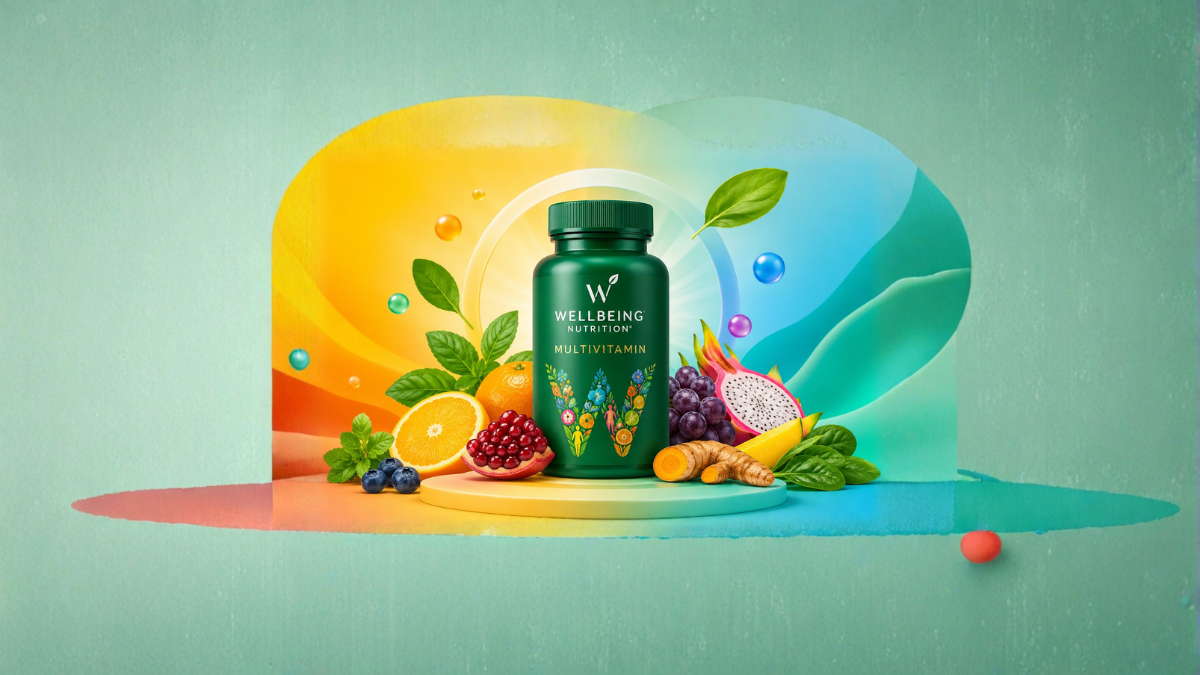
In today’s fast-paced lifestyle, maintaining optimal health has become increasingly challenging. Busy schedules, unhealthy eating habits, stress, lack of sleep, and environmental factors can all impact our nutritional intake. While a balanced diet remains the foundation of good health, many individuals struggle to meet their daily nutritional requirements through food alone. This is where multivitamin supplements play an important role.
Among the numerous supplement brands available today, Wellbeing Nutrition Multivitamins have gained popularity for their scientifically formulated ingredients, clean-label approach, and focus on overall wellness. Whether you are looking to boost immunity, improve energy levels, support heart health, or maintain overall wellbeing, understanding how these multivitamins work can help you make informed decisions.
This complete guide explores everything you need to know about Wellbeing Nutrition Multivitamins, including their benefits, ingredients, usage, safety considerations, and frequently asked questions.
What Are Wellbeing Nutrition Multivitamins?
Wellbeing Nutrition Multivitamins are dietary supplements designed to provide essential vitamins, minerals, antioxidants, and other nutrients that may be lacking in a person’s daily diet. These supplements aim to bridge nutritional gaps and support various bodily functions.
Unlike traditional multivitamins, Wellbeing Nutrition focuses on bioavailable ingredients, plant-based formulations, and clean nutrition. Their products are often free from unnecessary additives, artificial colors, and harmful preservatives, making them suitable for health-conscious consumers.
The primary goal of these multivitamins is to support overall health by providing the body with nutrients necessary for proper functioning.
Why Are Multivitamins Important?
Modern diets often fall short of providing all essential nutrients. Several factors contribute to nutritional deficiencies:
Poor Dietary Choices
Many people consume processed foods that are high in calories but low in essential nutrients. This can lead to deficiencies over time.
Increased Stress Levels
Stress can increase the body’s demand for certain vitamins and minerals, particularly B vitamins, magnesium, and vitamin C.
Busy Lifestyle
Individuals with hectic schedules may skip meals or rely on fast food, reducing nutrient intake.
Age-Related Nutritional Gaps
As people age, nutrient absorption efficiency may decline, increasing the need for supplementation.
Special Dietary Restrictions
Vegetarians, vegans, and individuals following restrictive diets may struggle to obtain certain nutrients naturally.
Multivitamins help address these concerns by providing comprehensive nutritional support.
Key Ingredients Found in Wellbeing Nutrition Multivitamins
The effectiveness of any multivitamin depends on its ingredient profile. Wellbeing Nutrition formulations typically contain a combination of essential vitamins, minerals, and supportive compounds.
Vitamin A
Vitamin A supports healthy vision, immune function, and skin health. It plays a crucial role in maintaining the body’s natural defense mechanisms.
Vitamin C
Vitamin C is a powerful antioxidant that supports immunity, collagen production, and cellular protection against oxidative stress.
Vitamin D
Vitamin D is essential for bone health, calcium absorption, and immune system support. Many individuals worldwide have inadequate vitamin D levels.
Vitamin E
Vitamin E helps protect cells from oxidative damage and contributes to skin health and immune function.
Vitamin K
Vitamin K supports blood clotting and bone metabolism.
B-Complex Vitamins
The B-vitamin group includes:
- Vitamin B1 (Thiamine)
- Vitamin B2 (Riboflavin)
- Vitamin B3 (Niacin)
- Vitamin B5 (Pantothenic Acid)
- Vitamin B6
- Vitamin B7 (Biotin)
- Vitamin B9 (Folate)
- Vitamin B12
These vitamins support energy production, nervous system health, metabolism, and cognitive function.
Zinc
Zinc plays a vital role in immunity, wound healing, hormone regulation, and cellular growth.
Magnesium
Magnesium supports muscle function, heart health, nerve signaling, and stress management.
Iron
Iron contributes to healthy red blood cell production and oxygen transport throughout the body.
Selenium
Selenium acts as an antioxidant and supports thyroid function.
Plant-Based Antioxidants
Many Wellbeing Nutrition products include natural antioxidants derived from fruits, vegetables, and herbal extracts to enhance overall wellness.
Major Benefits of Wellbeing Nutrition Multivitamins
Supports Daily Nutritional Requirements
One of the primary benefits is helping individuals meet their daily vitamin and mineral needs.
Boosts Energy Levels
B-complex vitamins contribute to energy metabolism by helping convert food into usable energy. This may reduce feelings of fatigue caused by nutritional deficiencies.
Enhances Immune Function
Nutrients such as vitamin C, vitamin D, zinc, and selenium help strengthen the immune system and support the body’s natural defenses.
Promotes Healthy Skin, Hair, and Nails
Biotin, vitamin E, vitamin C, and zinc contribute to maintaining healthy skin, stronger hair, and improved nail quality.
Supports Bone Health
Calcium-supporting nutrients like vitamin D, vitamin K, and magnesium help maintain strong bones and teeth.
Improves Cognitive Function
Several vitamins and minerals support brain health, concentration, memory, and mental clarity.
Encourages Heart Health
Certain nutrients help maintain healthy cardiovascular function and circulation.
Helps Manage Oxidative Stress
Antioxidants protect cells from damage caused by free radicals and environmental stressors.
Who Can Benefit from Wellbeing Nutrition Multivitamins?
Working Professionals
Busy professionals often have irregular eating habits, making multivitamins a convenient nutritional support option.
Students
Students facing academic pressure may benefit from nutrients that support energy production and cognitive performance.
Older Adults
Aging individuals may require additional nutritional support due to changes in nutrient absorption.
Vegetarians and Vegans
Plant-based diets can sometimes lack nutrients such as vitamin B12, iron, and vitamin D.
Fitness Enthusiasts
Active individuals may benefit from additional vitamins and minerals to support recovery and performance.
Individuals with Nutritional Gaps
Anyone struggling to meet daily nutrient requirements through diet alone may benefit from multivitamin supplementation.
How to Take Wellbeing Nutrition Multivitamins
Proper usage is important for achieving the best results.
Follow Product Instructions
Always follow the dosage recommendations provided on the product label.
Take with Meals
Many vitamins are absorbed more effectively when consumed with food.
Maintain Consistency
Regular daily use is generally more effective than occasional supplementation.
Stay Hydrated
Adequate hydration supports overall health and nutrient utilization.
Combine with Healthy Lifestyle Habits
Multivitamins work best when combined with a balanced diet, exercise, sufficient sleep, and stress management.
Are Wellbeing Nutrition Multivitamins Safe?
For most healthy adults, multivitamins are considered safe when used according to recommended dosages.
However, some precautions should be considered:
- Avoid exceeding recommended daily intake.
- Consult a healthcare professional if pregnant or breastfeeding.
- Seek medical advice if taking prescription medications.
- Individuals with existing medical conditions should discuss supplementation with their doctor.
Taking excessive amounts of certain vitamins and minerals may lead to unwanted side effects.
Common Myths About Multivitamins
Myth 1: Multivitamins Replace Healthy Food
Reality: Supplements are intended to complement a healthy diet, not replace nutritious meals.
Myth 2: More Vitamins Mean Better Health
Reality: Excessive supplementation can be harmful and does not necessarily provide additional benefits.
Myth 3: Everyone Needs the Same Multivitamin
Reality: Nutritional needs vary based on age, gender, lifestyle, and health status.
Myth 4: Results Are Immediate
Reality: Consistent use over time is typically required to notice benefits.
How to Choose the Right Wellbeing Nutrition Multivitamin
Check Ingredient Quality
Look for products containing bioavailable nutrients that the body can absorb effectively.
Review Nutrient Dosages
Ensure nutrient levels align with your specific needs.
Consider Your Lifestyle
Choose formulations designed for your age group, gender, or wellness goals.
Read Product Labels Carefully
Understanding ingredients helps avoid allergens or unnecessary additives.
Consult Healthcare Professionals
A healthcare provider can help determine whether supplementation is appropriate for your needs.
Lifestyle Tips to Maximize Multivitamin Benefits
To achieve the greatest benefit from multivitamins:
- Eat a balanced diet rich in fruits and vegetables.
- Engage in regular physical activity.
- Sleep at least seven to eight hours per night.
- Manage stress through relaxation techniques.
- Stay hydrated throughout the day.
- Avoid excessive smoking and alcohol consumption.
Healthy habits combined with proper supplementation create a strong foundation for long-term wellness.
Final Thoughts
Wellbeing Nutrition Multivitamins offer a convenient way to support overall health and address nutritional gaps in modern diets. With a focus on clean ingredients, bioavailability, and comprehensive nutrient support, these supplements can contribute to energy production, immune function, bone health, cognitive performance, and general wellbeing.
While multivitamins can be a valuable addition to a healthy lifestyle, they should not replace a balanced diet and good health practices. Choosing the right formulation and using it consistently can help individuals maintain optimal nutrition and support their long-term wellness goals.
Frequently Asked Questions (FAQs)
1. What are Wellbeing Nutrition Multivitamins used for?
They are used to support overall health, fill nutritional gaps, improve immunity, and maintain daily wellness.
2. Can multivitamins increase energy levels?
Yes, vitamins such as B-complex vitamins help support energy metabolism and reduce deficiency-related fatigue.
3. Are Wellbeing Nutrition Multivitamins suitable for vegetarians?
Many formulations are vegetarian-friendly, but checking product labels is recommended.
4. How long does it take to see results from multivitamins?
Results vary among individuals, but consistent use for several weeks is generally recommended.
5. Can I take multivitamins every day?
Yes, daily use is usually recommended when following the manufacturer’s dosage guidelines.
6. Do multivitamins improve immunity?
Certain nutrients like vitamin C, vitamin D, zinc, and selenium support immune health.
7. Can teenagers take Wellbeing Nutrition Multivitamins?
Teenagers should use age-appropriate supplements and consult a healthcare professional if needed.
8. Are there any side effects?
Most people tolerate multivitamins well, but excessive intake may cause side effects.
9. Should multivitamins be taken with food?
Yes, taking them with meals often improves nutrient absorption.
10. Can multivitamins replace a healthy diet?
No, they are supplements and should complement a balanced diet.
11. Are Wellbeing Nutrition Multivitamins good for hair and skin?
Ingredients such as biotin, vitamin E, vitamin C, and zinc may support healthy hair and skin.
12. Who should consult a doctor before taking multivitamins?
Pregnant women, breastfeeding mothers, individuals with medical conditions, and those taking medications should seek medical advice before supplementation.